Neutering isn't a decision that should be made simply because it's what we've always been told to do.
At A Dog's Life, we believe that decisions about neutering should take into account the individual dog, including their age, sex, breed, health, behaviour and lifestyle.
At the same time, as a dog rehoming organisation, we see first-hand the consequences of unwanted litters and irresponsible breeding. Preventing unplanned litters is one part of reducing the number of dogs entering rescue, and we don't want financial circumstances to be the reason someone cannot have their dog neutered when they and their vet decide that it is appropriate.
This November, A Dog's Life will be offering free neutering and microchipping in partnership with Viking Vets in Waterford and Moss Veterinary Hospital in Naas.
If you would like to avail of the scheme, please contact our participating veterinary partners to arrange an appointment. A Dog's Life will cover the cost of the neutering and microchipping.
If you're unsure whether neutering is appropriate for your dog, or when the best time might be, speak to your vet before arranging the procedure.
Microchipping your dog
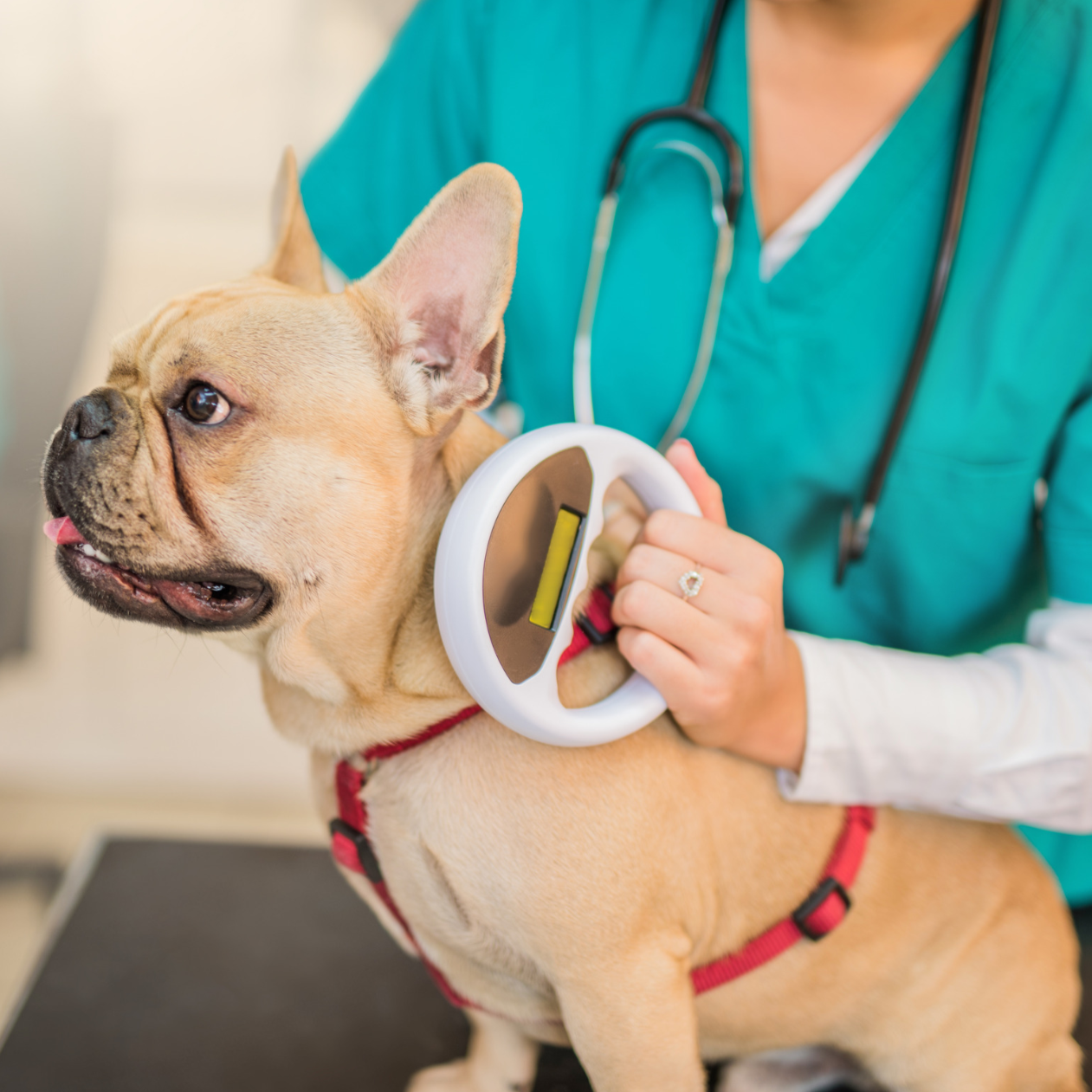
It is a legal requirement in Ireland for all dogs to be microchipped and registered on an approved database by the time they are 12 weeks old.
But microchipping isn't just about complying with the law. It is one of the best ways of making sure your dog can be reunited with you if they ever go missing. A vet, dog warden or animal welfare organisation can scan a dog's microchip and use the registered details to help get them home.
If your dog is already microchipped, it is also a good idea to check that the details are correct. Your contact details can change when you move house, change your phone number or email address, and it is important that the information linked to your dog's microchip stays up to date. Don't assume that your vet has done it for you.
This is particularly easy to overlook when you first adopt a dog. There are so many things to organise that updating the microchip details can sometimes get forgotten!
How to check or update your microchip details:
Find your microchip number: Check your dog's microchipping certificate or adoption paperwork, or ask your vet to scan your dog.
Identify the database: Find out which approved database holds your dog's information. Irish databases include Animark, Fido and the Irish Kennel Club.
Update your details: Contact the relevant database provider and make sure your name, address, telephone number and email address are all correct.
Neutering your dog: making an informed decision
As a rescue organisation, we see first-hand the consequences of unwanted litters and irresponsible breeding. And as advocates for canine welfare, we also believe that decisions about an individual dog's health should be made thoughtfully, rather than automatically or at the same age for every dog.
Neutering can be an important tool in responsible dog ownership and population management, but it isn't a one-size-fits-all decision.
The British Veterinary Association (BVA) and British Small Animal Veterinary Association (BSAVA) updated their guidance on neutering in March 2026. Their current position encourages vets and owners to take a more individualised approach, considering factors such as the dog's age, breed, lifestyle and health. They have also moved away from the idea of routine early neutering, particularly in dogs.
Neutering isn't a decision that should be made on autopilot.
There are genuine benefits to neutering. It prevents unwanted pregnancies and can reduce or eliminate the risk of certain reproductive diseases. For female dogs, for example, spaying prevents pyometra, a potentially life-threatening infection of the uterus. Neutering can also be recommended for particular medical or behavioural reasons.
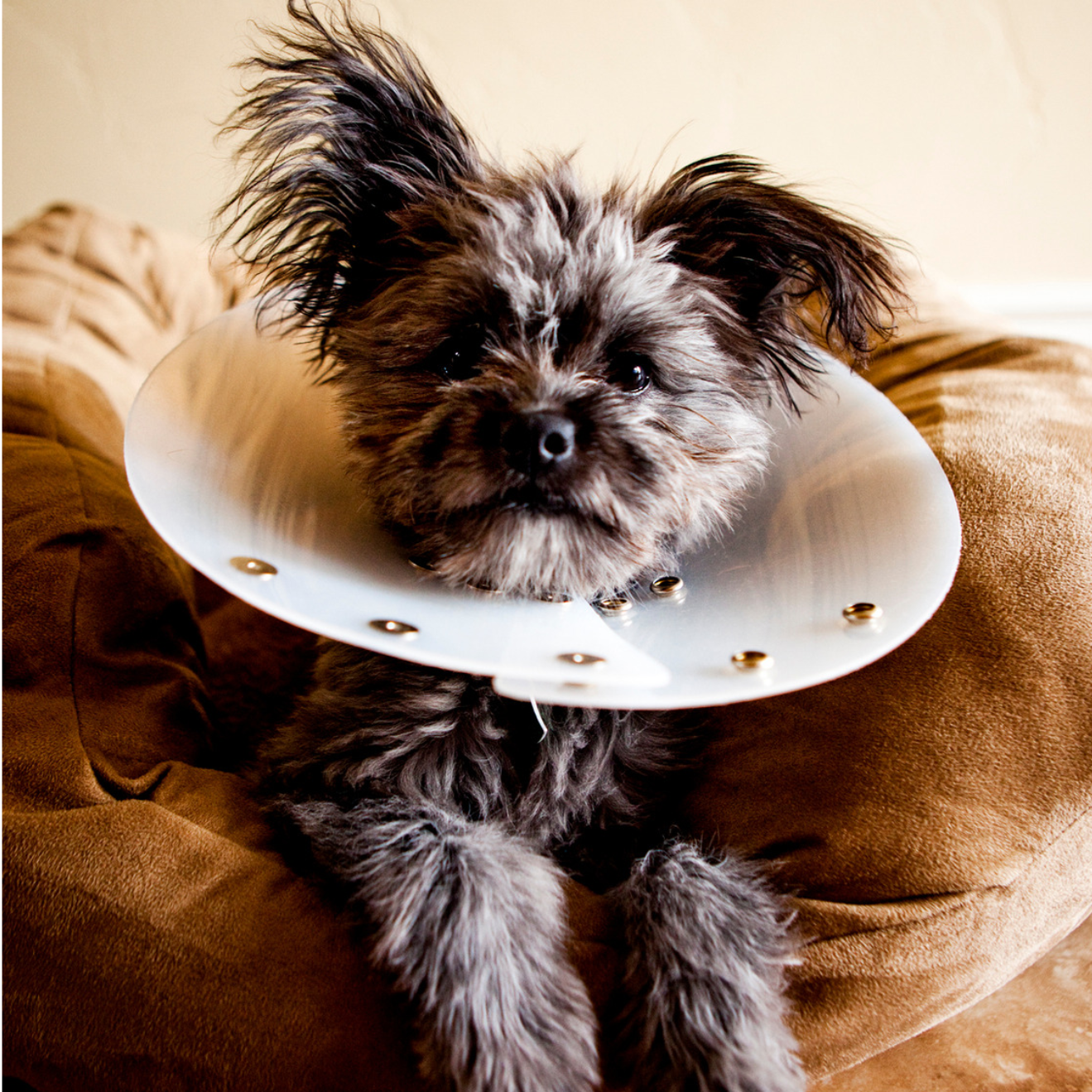
But there are also potential health and behavioural considerations, particularly around the timing of neutering.
Research has identified associations between the timing of neutering and conditions including some orthopaedic problems and urinary incontinence, and the effects on behaviour can vary between individual dogs. This is one reason current veterinary guidance recommends considering the individual dog rather than applying a blanket rule.
For some dogs, neutering may be the right choice. For others, delaying the procedure may be more appropriate. In some circumstances, remaining entire may also be a reasonable option when reproduction can be responsibly managed.
That's why we encourage owners to discuss their individual dog with their vet and consider both the potential benefits and risks before making a decision.
Neutering is one part of responsible population management… but it isn't the whole solution!
Unwanted dogs entering rescue is a complex problem with many contributing factors.
Unplanned litters from household pets are one part of this. Irresponsible breeding and the wider commercial breeding industry are also important issues, as are the circumstances that lead to dogs being surrendered, abandoned or unable to remain in their homes.
Preventing unwanted litters won't solve Ireland's dog welfare and rescue problems on its own, but it is one way we can help reduce the number of puppies born without secure and appropriate homes waiting for them.
Ultimately, preventing unwanted litters is about preventing unwanted dogs from entering an already overstretched rescue system.
So, should you neuter your dog?
There isn't one answer that applies to every dog.
Some of the things you should consider with your vet include:
Can you reliably prevent accidental litters?
If you choose not to neuter your dog, you take responsibility for preventing unwanted pregnancies. This means being able to manage your dog appropriately around other entire dogs and taking particular care when a female dog is in season.
Do you live with male and female dogs?
Managing entire male and female dogs in the same household can be challenging, particularly when the female is in season. Careful management and physical separation may be necessary to prevent an accidental mating.
How old is your dog?
Age and physical maturity are important considerations when deciding when to neuter. Current veterinary guidance increasingly recommends considering the breed and expected age of maturity rather than automatically neutering dogs at a fixed age.
For male dogs, the BVA and BSAVA currently recommend that if castration is chosen, it should generally not be carried out before physical maturity for the breed unless there is a compelling reason to do so. For female dogs, their current guidance recommends considering spaying between approximately 12 and 23 months depending on breed and expected maturity, unless the dog is intended for breeding.
What is your dog's health like?
There are situations where neutering may be recommended for medical reasons. For example, spaying prevents pyometra and other uterine diseases, while castration can prevent testicular tumours and may reduce some prostate and perianal conditions.
Your vet can help you weigh these potential benefits against the individual risks for your dog.
What is your dog's behaviour like?
Neutering can influence some hormone-related behaviours, particularly in male dogs, but it isn't a treatment for behavioural problems. Behaviour is complex. Anxiety, fear, aggression, frustration and learned behaviours will not disappear because a dog has been neutered, and the behavioural effects of neutering can vary between individual dogs.
If your dog is experiencing behavioural difficulties, it is worth discussing these with your vet and, where appropriate, seeking help from a suitably qualified behaviour professional before making a decision based on the hope that neutering will solve the problem. Because it probably won’t.
What breed or type of dog do you have?
Breed, expected adult size and age of physical maturity can all be relevant when considering the potential risks and benefits of neutering.
Research has identified increased risks of some orthopaedic conditions in certain dogs when neutered before physical maturity. The evidence isn't the same for every breed, which is another reason why an individual approach is important.
What about female dogs?
Female dogs require some additional consideration because spaying has both benefits and potential risks.
Spaying prevents pregnancy and eliminates the risk of pyometra and other diseases of the reproductive organs. However, timing can also be important, and research has identified associations between spaying and some health conditions, including urinary incontinence.
There isn't a single “perfect” age that applies to every female dog. Your vet can help you decide when, or whether, spaying is appropriate based on your dog's breed, age, health, lifestyle and reproductive history.
There are also situations where neutering is a legal requirement…
For most dogs, neutering is a decision for the owner and their veterinary team.
There are exceptions, however. For example, owners of XL Bully type dogs who have a Certificate of Exemption are required to have their dog neutered as a condition of that exemption.
Final thoughts
If you own an entire or “intact” dog, have a think about whether neutering may be right, or not, for your dog.
Talk to your vet. If behaviour is part of your consideration, talk to a suitably qualified behaviour professional too. Read about the potential benefits and risks, ask questions, and make an informed decision based on your individual dog.
You do not have to neuter your dog simply because it is “the done thing”.
My own dog was spayed because she was at high risk of pyometra following a miscarriage when she was in the pound. If this had not been the case, I would have likely kept her intact. But that would have been a decision based on her individual needs and my own ability and commitment to make sure she could not have an unplanned pregnancy.
That is the important part.
There isn't one decision that is right for every dog. There is only the decision that you make after considering your own dog's needs, your circumstances and your responsibilities as an owner.
Think about it. Read about it. Talk it out.
Oh, and… check your chip!
If you decide that neutering is right for your dog, contact our veterinary partners to find out more about the A Dog's Life November 2026 Free Neutering & Microchipping Scheme.
We are delighted to be able to help remove the financial barrier for owners who decide that neutering is appropriate for their dog.
Sources & Further Reading
British Veterinary Association (BVA) & British Small Animal Veterinary Association (BSAVA), 2026 — “BVA and BSAVA update neutering guidance for dogs and cats.”
Published 3 March 2026. This is the main source for the article's discussion of individualised neutering decisions, age, breed, lifestyle, physical maturity and the move away from routine early neutering.
BVA & BSAVA – Neutering guidance update
British Small Animal Veterinary Association (BSAVA) — “Neutering of Dogs, Cats, Rabbits and Ferrets.”
This provides supporting information on the potential benefits and risks of neutering, including population control, reproductive disease, behavioural effects, urinary incontinence and orthopaedic conditions.
BSAVA – Neutering of Dogs, Cats, Rabbits and Ferrets
Department of Agriculture, Food and the Marine — “How to be a responsible dog owner.”
Updated 15 May 2026. Used for the Irish legal requirements around microchipping and registration, and the importance of keeping identification information current.
Department of Agriculture – How to be a responsible dog owner
Department of Agriculture, Food and the Marine — “Ban on XL Bully dogs.”
Used for the information about XL Bully type dogs, Certificates of Exemption and the requirement for neutering as part of the exemption requirements, as well as the 12-week microchipping requirement.
Government of Ireland – Ban on XL Bully dogs
Dogs Trust Ireland — “When to Neuter Your Dog.”
This is a useful additional owner-friendly resource covering the potential benefits of neutering, reproductive health, pregnancy, management of females in season and the importance of discussing timing with your vet.
Dogs Trust Ireland – When to Neuter Your Dog
About the author
Lucie Dehe CBTT is a certified canine behaviour consultant, owner of Lucie's Pooches Dog Training, and a board member and volunteer behaviour consultant with A Dog's Life. She is passionate about helping people better understand their dogs through evidence-based, welfare-friendly training and behaviour advice.